My father was never the kind of man whose presence cast an overwhelming shadow across my life. He was gentle, peaceable, a man of quiet manners. And yet what lingers most in my memory is not his presence but his absence—the long hours he spent away from home.
Even now, I cannot imagine what dream or passion carried him out each morning. Beyond the ordinary duty of earning bread, there seemed little that drew him outward. Perhaps it was only escape—from a household brimming with chaos. And when he returned at night, he surrendered himself to sleep, broken only by the thirst of a glass of water, or the intrusion of some small necessity.
He seemed always to prefer the margins, choosing the edges of life over the weary burden of its center. My mother stood there instead, occupying not only the heart of daily affairs but the throne of every decisive matter.
His absence, in truth, was stronger than his presence. And so, when life finally conquered him and confined him to bed in his final days, what remained was not presence but a bitter pity—heavier than loss itself.
He was a simple, peace-loving man, one who left behind no grand deeds, no triumphs worthy of remembrance. His rare outbursts of feeling cost him dearly, so he chose silence instead.
The only moment in which I felt something luminous pass between us came in the sterile stillness of the intensive care ward. I held his hand, only hours before he left this world, and whispered into his ear—calling him back from the deep abyss into which his broken body had fallen.
His eye stirred once, for the last time. With that fading gesture, he told me he was going to the place where men like him go, and that he no longer wanted anything from here.
It was a moment steeped in regret. How much of life had passed us by, unfilled by anything worth carrying forward? Time had ended suddenly, and what remained was nothing but regret.
And yet, strangely, it was a regret that soothed the soul. A regret that dissolved burdens, emptied things of their weight, and words of their meaning.
After the funeral, I felt a fragile lightness circling above me, like a dragonfly hovering idly over a still lake. He was gone—and with him, the last remnant of loss.
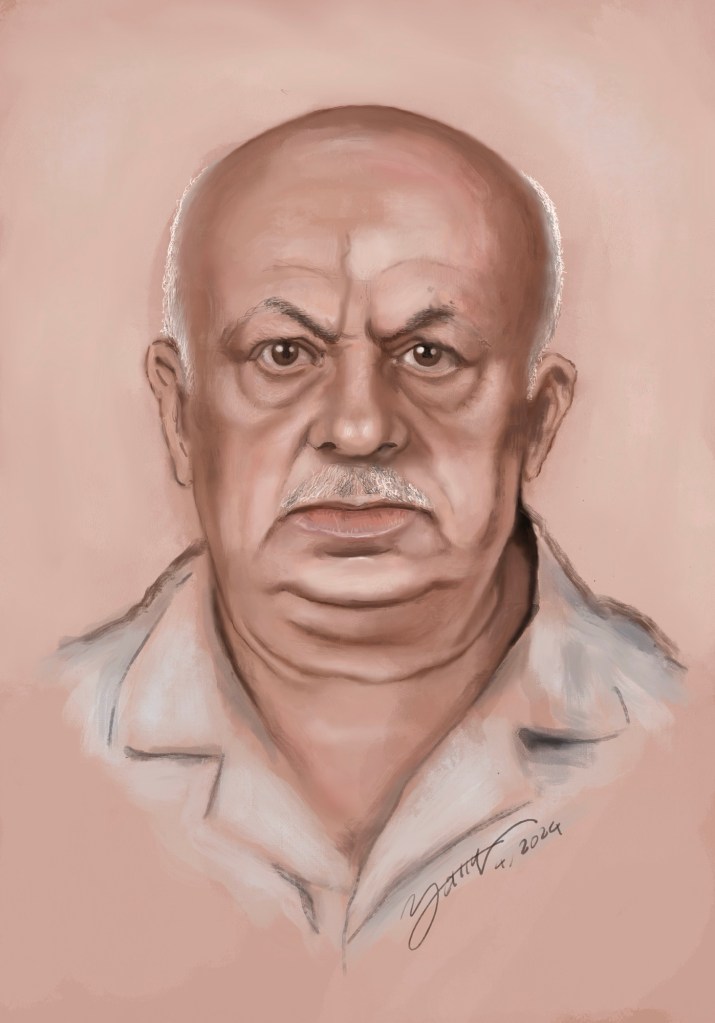
لم يكن والدي بالرجل الذي خيم ظله على كامل حياتي بشكل آسر، كان رجلا مسالما لطيف المعشر، ولقد احتل غيابه عن المنزل الجزء الأعظم من ذاكرتي حوله،
ليس بوسعي اليوم ان أتخيل أي حلم أو طموح كان يدفعه خارج المنزل كل صباح، إذا استثنينا طبعا السعي وراء لقمة العيش، لن يبقى من سبب يضيف شغفا لهذا الغياب إلا هروبه من منزل يعج بالمجانين، وكان إذا عاد مساءا، يرفل في ساعات خانعة مستسلمة لنوم ما كان ينقطع إلا لشرب الماء أو لطارئ ما،
عدا ذلك، كان يفضل دوما الهامش الذي يجنبه وجع الرأس عن الظهور في قلب الصورة التي احتلتها والدتي كما احتلت كل ما في الحياة من حل وربط، وليس الحياة اليومية العابرة فقط، بل كل القرارات المصيرية،
بكلمات بسيطة، كان غيابه أقوى من حضوره، لذلك وعندما هزمته الحياة واقعدته أواخر أيامه، أصبح أكثر من مجرد غياب يفتقد وحل إلى جواره إحساس بالشفقة، كان أشد مرارة علينا من الغياب،
هذا رجل مسالم بسيط لم يظفر خلال أيامه بمآثر تذكر، وانفعالاته نادرة الحدوث كلفته أكثر مما يحتمل ففضل الصمت.
أن اللحظة الوحيدة التي أكاد أجزم فيها أن تواصلاً خارقا حدث ما بيننا هي تلك اللحظة العابرة في غرفة العناية الفائقة، عندما أمسكت يده قبل أن يفارق الحياة بسويعات قليلة وهمست في أذنه أناديه من هوة اللاوعي السحيقة التي انجرف فيها منذ أن انفجر دماغه،
نظر الي وأخبرني بطرف عينه التي تحركت للمرة الأخيرة أنه ذاهب الى حيث أمثاله يذهبون وأنه لم يعد يريد شيئا من ها هنا.
لقد كانت لحظة مضرجة بالندم، كم من الوقت قد مر دون أن نشغله بشيء يستحق أن يذكر، لكن الوقت قد انتهى على حين غرة، ولم يبق سوى الندم،
ورغم ذلك فإنه ندم كتب له أن يشفي الروح من ندوبها ويملئها بانعتاق نادر الحدوث يفرغ الأشياء من ضرورة وجودها، كما يفرغ الكلمات من معانيها.
ما بعد الجنازة، شعرت بخفة ساذجة ترفرف فوق راسي كعيسوب يجول لاهيا فوق بحيرة ساكنة، لقد رحل وأخذ معه البقية الباقية من فقد.
ياسر السيد
 Yasser Alsayed
Leave a comment